Radeon GPU
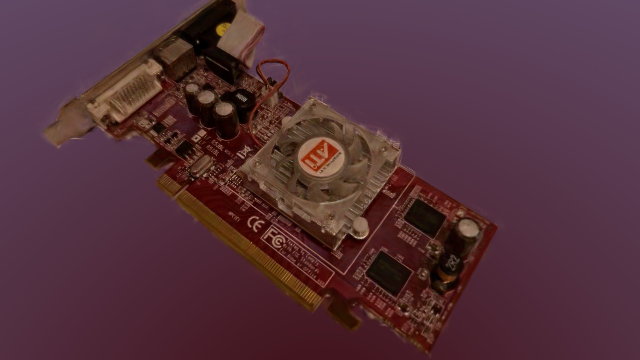
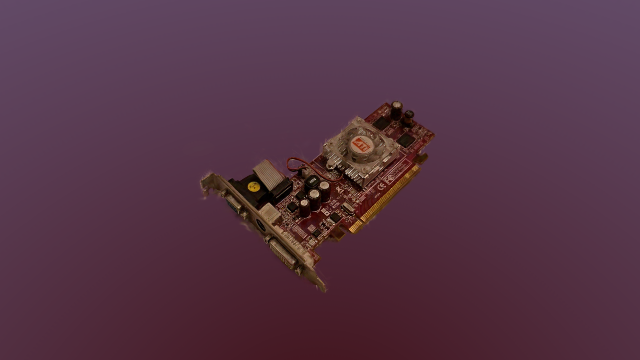
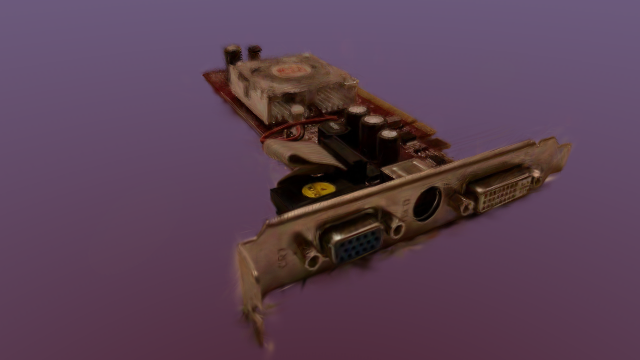
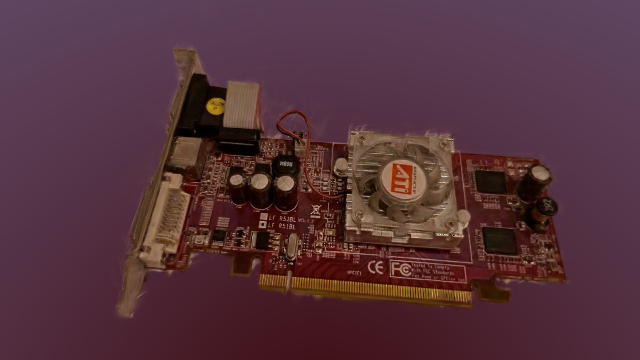
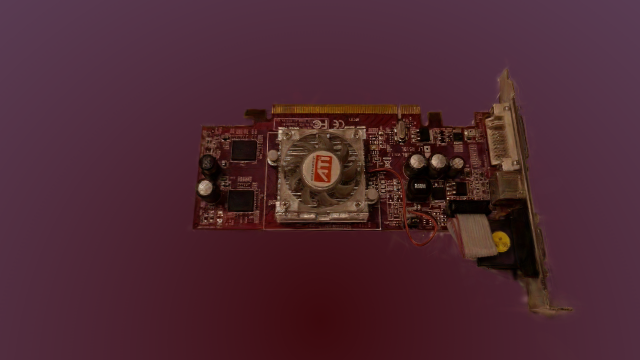
Vintage GPU ATI Radeon R37L-SC3B Graphics Cards Pcix16
Virtual tour details
Tour viewpoints
View 1
View 2
View 3
view 4
View 5
Interactive tour information
Hotspot 1
https://firebasestorage.googleapis.com/v0/b/virtual-spatial-tour-b3261.appspot.com/o/hotspots%2F3c721d5b-69ba-4c21-bf68-2f379f387bb1%2F1.jpeg?alt=media&token=2dccb0c8-7254-4dbb-9ec1-0df339d13f02
Hotspot 2
https://www.youtube.com/watch?v=smdj7CoeZks
Hotspot 3
The ATI Radeon R37L-SC3B PCIe x16 graphics card represents an early generation of dedicated GPU hardware designed for desktop systems that required stable graphical output rather than high-performance rendering. Built around the PCI Express x16 interface, the card was intended for broad compatibility with standard motherboards of its time, offering reliable display support for everyday computing tasks. Typical use cases included office systems, media playback, light graphical workloads, and legacy software environments where power efficiency and driver stability were more important than raw performance. As part of the Radeon family developed by ATI Technologies, the R37L-SC3B reflects the design philosophy of that era: compact form factors, modest thermal output, and dependable operation. While it does not support modern gaming or advanced GPU acceleration, it remains suitable for retro builds, system restoration projects, or specialized setups requiring older hardware compatibility. Overall, the ATI Radeon R37L-SC3B stands as a practical example of early PCIe graphics solutions, valued today primarily for its reliability and relevance in legacy systems rather than contemporary performance demands.
